
KMU INSTITUTE OF MEDICAL SCIENCES KOHAT

To be a respected center of excellence in psychiatry and behavioral sciences, recognized for high-quality teaching, clinical training, research, and compassionate, evidence-based mental healthcare. We prepare clinically competent, ethically grounded professionals to meet the mental health needs of individuals, families, and communities.
To deliver evidence-based, research-informed education and clinical services that develop competent, compassionate, reflective healthcare professionals. Through undergraduate teaching, supervised clinical practice, interdisciplinary collaboration, research, and community-oriented services, the Department strengthens mental healthcare locally and contributes nationally and internationally.
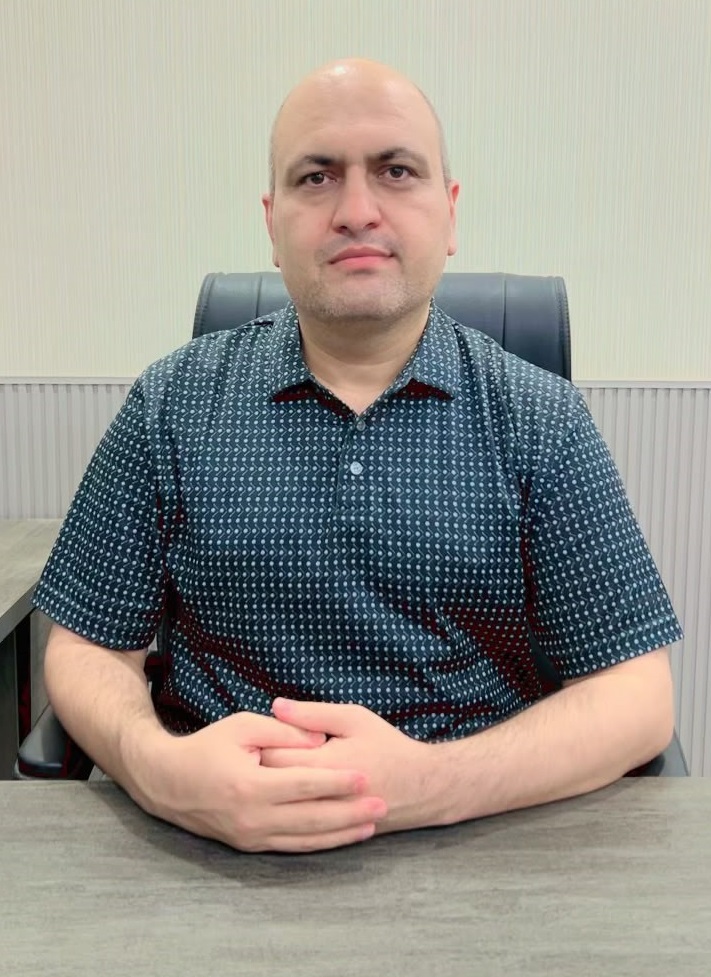
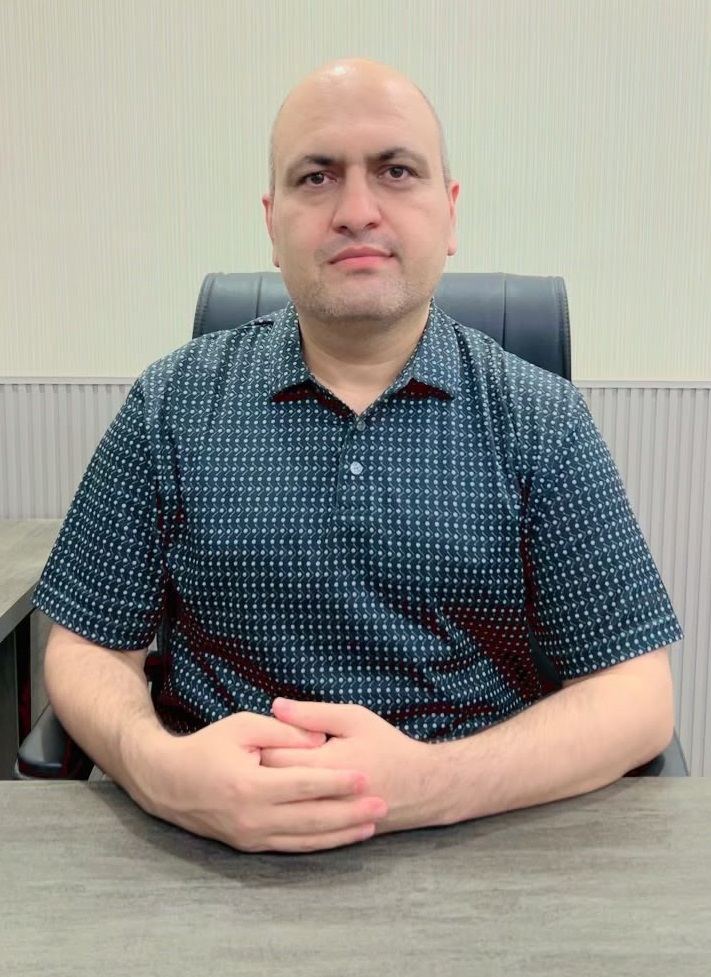
Psychiatry and Behavioral Sciences are integral to medicine. They help us understand how people think, feel, and behave, and how psychological, biological, and social factors influence health, illness, recovery, and quality of life. Every medical graduate should recognize common mental health problems, communicate sensitively, assess psychological and behavioral concerns, and know when specialist care is required. At the Department of Psychiatry and Behavioral Sciences, KMU-Institute of Medical Sciences, Kohat, we integrate teaching with practical clinical experience, research, and service. Behavioral Sciences are taught from first year through final year; Psychiatry in fourth and final year. We provide outpatient care, consultations, supervised clinical learning to undergraduate medical studenta, and psychology internships. We also contribute to medical boards, support the prison drug rehabilitation center in Kohat, and promote public awareness through mental health awareness days. Asst. Prof. Dr. Muhammad Shakeel Wazir, Head of Department
The Department combines undergraduate education, clinical services, supervised training, and academic activity, guided by a biopsychosocial understanding of health and evidence-based, patient-centered care. It has contributed to the MBBS curriculum since the Institute's establishment in 2006, in accordance with PMDC and HEC guidance. • Teaching and Learning: Behavioral Sciences taught throughout MBBS; Psychiatry in fourth and fifth year. Learning includes clinical exposure, case discussions, presentations, clinical interviewing, and supervised patient assessment. • Clinical Services: Outpatient psychiatric services and consultations for patients admitted under other specialties. • Clinical Rotations and Psychology Internships: Supervised rotations for medical students and internships for BS- and MS-level psychology students. • Medical Boards: Faculty participate in medical board meetings and provide psychiatric expertise. • Prison-Based Drug Rehabilitation: Supervision of the drug rehabilitation center at the Kohat prison facility. • Mental Health Awareness and Academic Activities: Observance of awareness days, research, scholarly discussion, case presentations, and publication.
The course introduces core principles of Behavioral Sciences and Psychiatry across the MBBS curriculum. • Psychiatry: Recognition, assessment, classification, and initial management of mental disorders, including referral and multidisciplinary care. • Behavioral Sciences: Human behavior, communication, learning, psychological responses to illness, and the doctor-patient relationship. Core Areas of Study: Psychiatric history-taking and mental state examination; recognition of psychological and psychiatric symptoms; mood, anxiety, psychotic, and personality disorders; substance-related and addictive disorders; neurodevelopmental conditions; basic psychopharmacology; introductory psychotherapeutic approaches; community, ethical, and forensic aspects; communication skills and professional attitudes.
No department pictures available.